
Skip to content

Transform Your Operations with Intelligent Digital Twin Simulation

Quantify risk with precision, optimize with confidence— simulate what-if scenarios with an Intelligent Digital Twin powered by Simio Discrete Event Simulation

Simulate What-If with an Intelligent Digital Twin for DDMRP

Simio’s Intelligent Digital Twin DDMRP solution transforms manufacturing and supply chain planning through seamless integration of Demand Driven Material Requirements Planning with advanced what-if scenario capabilities, enabling organizations to visualize outcomes before implementation while maximizing operational efficiency across complex supply chains.

Three_Compliance_Logos

Simio has been certified by the Demand Driven Institute (DDI) for all three levels of software compliance for Demand Driven Material Requirements Planning (DDMRP), Demand Driven Operating Model (DDOM) and Demand Driven Sales & Operations Planning (DDS&OP)

What is DDMRP?

Demand Driven Material Requirements Planning (DDMRP) is a formal multi-echelon planning and execution methodology designed for today’s volatile supply chains. It protects and promotes the flow of relevant information in uncertain, complex, and ambiguous (VUCA) environments.

This innovative approach emerged from extensive research across diverse industrial segments. It directly addresses the challenges of modern, globalized supply networks with unpredictable demand patterns.

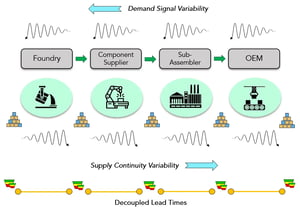
DDMRP strategically positions and sizes decoupling buffer stocks to manage customer lead times effectively. These strategic buffers reduce variability impact while improving end-to-end flow of products and information.

The methodology enables a flow-based operating model versus the traditional cost-based approach used by most businesses today. Through synchronized material and information flow, DDMRP effectively eliminates the bullwhip effect across the entire supply chain.

DDMRP Combines Three Key Industry Drivers

  • Planning Integration: Material Requirements Planning (MRP) and Distribution Requirements Planning (DRP) principles adapted for modern supply chains
  • Pull Methodologies: Lean and Theory of Constraints emphasis on visibility and pull-based execution
  • Variability Management: Six Sigma approaches to systematic variability reduction across the supply network

DDMRP Operates on Three Fundamental Assumptions

  • Demand Uncertainty: Demand, except for explicit sales orders, is generally unknown and subject to frequent change
  • Time Compression: The gap between cumulative lead times and customer tolerance times necessitates strategic buffer stocks
  • Execution Variability: There will always be variability in execution requiring adaptive planning approaches

Evolution Not Revolution

  • Knowledge Building: For experienced planning practitioners, DDMRP builds upon existing knowledge rather than replacing it
  • Integrated Approach: DDMRP incorporates established principles to address specific challenges of modern supply chains
  • Enhanced Methodology: The approach elevates traditional planning with innovative solutions for contemporary operational demands
What-is-DDMRP_4

Digital Twin Simulation: Transforming DDMRP Implementation

Digital twin technology creates virtual replicas of physical supply chain environments, providing unprecedented visibility into operational dynamics. These intelligent models enable real-time simulation of complex supply networks and material flows.

Through advanced digital twin simulation, planners can test what-if scenarios before implementation. This capability dramatically reduces operational risk while optimizing buffer strategies and replenishment policies.

The integration of digital twin software with DDMRP methodologies creates a powerful platform for supply chain optimization. Organizations can evaluate alternative configurations and test various demand scenarios without disrupting actual operations.

This simulation-driven approach ensures maximum effectiveness of DDMRP implementation while minimizing implementation risk and resource requirements.

How Digital Twins Enhance DDMRP Implementation

Traditional DDMRP implementations provide valuable improvements, but intelligent digital twins take these capabilities to the next level. By creating a virtual replica of supply chain systems that updates in real-time, digital twins enable more dynamic and accurate DDMRP implementation.

Traditional DDMRP

Static buffer calculations

Manual buffer adjustments

Periodic review cycles

Limited visibility across supply chain

Reactive to changes after they occur

Isolated from other systems

Intelligent Digital Twin DDMRP

Dynamic buffer optimization

AI-driven buffer management

Continuous real-time monitoring

End-to-end supply chain visibility

Predictive adaptation to emerging changes

Connected to ERP, MES, and IoT systems

The integration of digital twin software with DDMRP methodologies creates a powerful platform for supply chain optimization. Organizations can evaluate alternative configurations and test various demand scenarios without disrupting actual operations.

This simulation-driven approach ensures maximum effectiveness of DDMRP implementation while minimizing implementation risk and resource requirements.

DDMRP Powered by Simio: Intelligent Digital Twin Simulation

An Intelligent Adaptive Process Digital Twin powered by Simio’s Discrete Event Simulation technology creates an ideal platform for DDMRP implementation. This advanced digital twin solution enables comprehensive design, testing, optimization, and execution of Demand Driven Material Requirements Planning methodologies.

The simulation environment allows organizations to visualize outcomes of various replenishment strategies before physical implementation. This approach significantly reduces implementation risk while maximizing operational benefits.

Simio’s digital twin software provides comprehensive support for all DDMRP components and processes. The platform includes specialized features developed to accurately model any DDMRP replenishment option within single or multi-site manufacturing facilities and complex supply chains.

Organizations can simulate detailed what-if scenarios with remarkable precision, generating data-driven insights for optimal DDMRP implementation decisions.

2-DDMRP-Functionality-in-Simio_02

Accelerate Development of Manufacturing Supply Chain Digital Twins

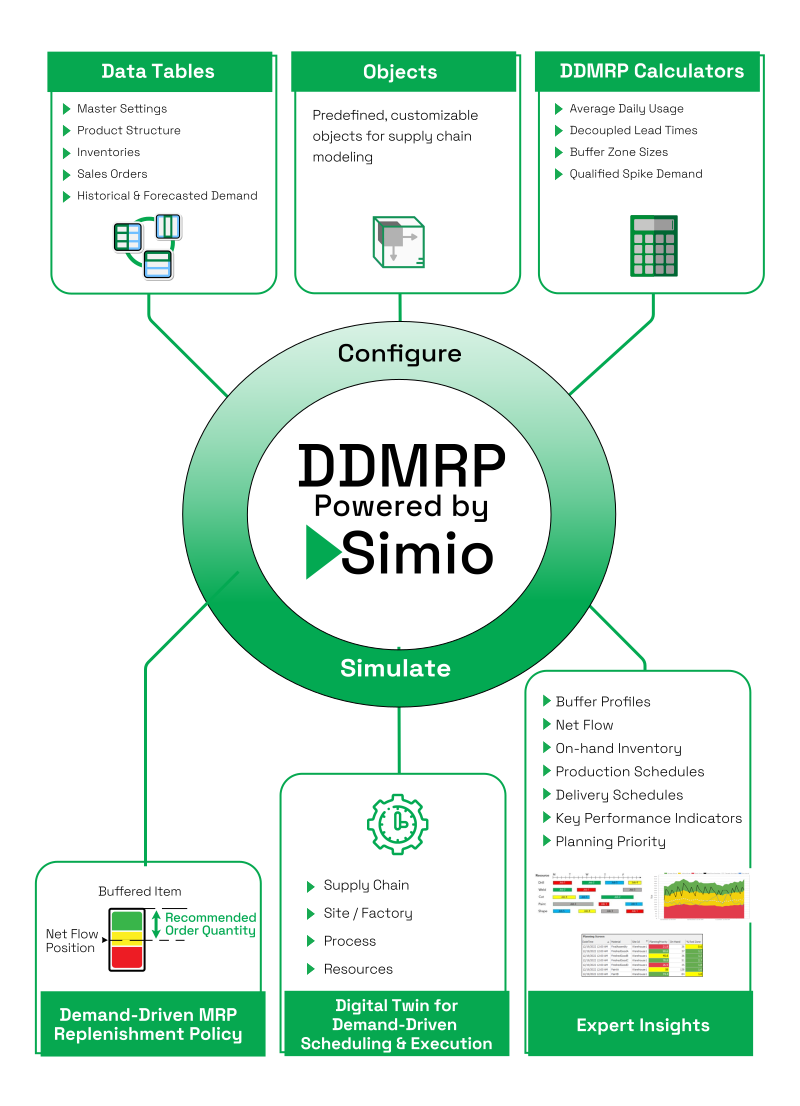
  • Structured Data Management: Predefined relational data tables manage inputs into Simio Process Digital Twin models, eliminating guesswork during DDMRP setup
  • Supply Chain Library: A customizable library tailored to supply chain simulation accelerates digital twin development with objects representing all physical network components
  • DDMRP Calculators: Specialized calculators determine key inputs for sizing strategic inventory buffers and generating supply orders, including ADU values and buffer zone calculations
  • Scenario Management: What-if scenario tools enable rapid configuration and comparison of alternative DDMRP strategies through digital twin simulation

Tailored Features for Simulating DDMRP Plans & Analyzing Performance

  • Dynamic Replenishment: Demand-Driven MRP replenishment policies apply at each strategic inventory buffer, determining optimal order timing through simulation
  • Process Modeling: Digital Twin models include detailed warehouse, factory, supplier, and delivery objects that precisely match real-world order fulfillment processes
  • Performance Dashboards: Customized and configurable DDMRP-specific dashboards provide expert insights into simulated operational performance
  • Comprehensive Analytics: Prebuilt dashboards include DDMRP Planning Charts, Resource Utilization, Production Schedules, KPIs, Constraint Analysis, and Scenario Comparison

Simulation is a Game-Changer for DDMRP Implementation

Imagine managing your manufacturing supply chain with real-time insights from an intelligent digital twin. Picture having detailed simulations that reveal your supply chain’s performance before implementation decisions are made.

Envision designing a demand-driven supply chain that generates operational plans achieving unmatched performance through evidence-based scenario testing.

A comprehensive digital twin of your manufacturing supply chain delivers precisely this capability. Powered by Simio’s advanced simulation platform and integrated with DDMRP methodology, it transforms supply chain planning and execution.

The effectiveness lies in Simio’s powerful simulation engine operating a detailed digital replica of your entire supply network. The simulation encompasses everything from generating supply orders with DDMRP through sourcing, scheduling, execution, and final delivery.

Steps for Simulating What-If Scenarios in Your Digital Twin Supply Chain:

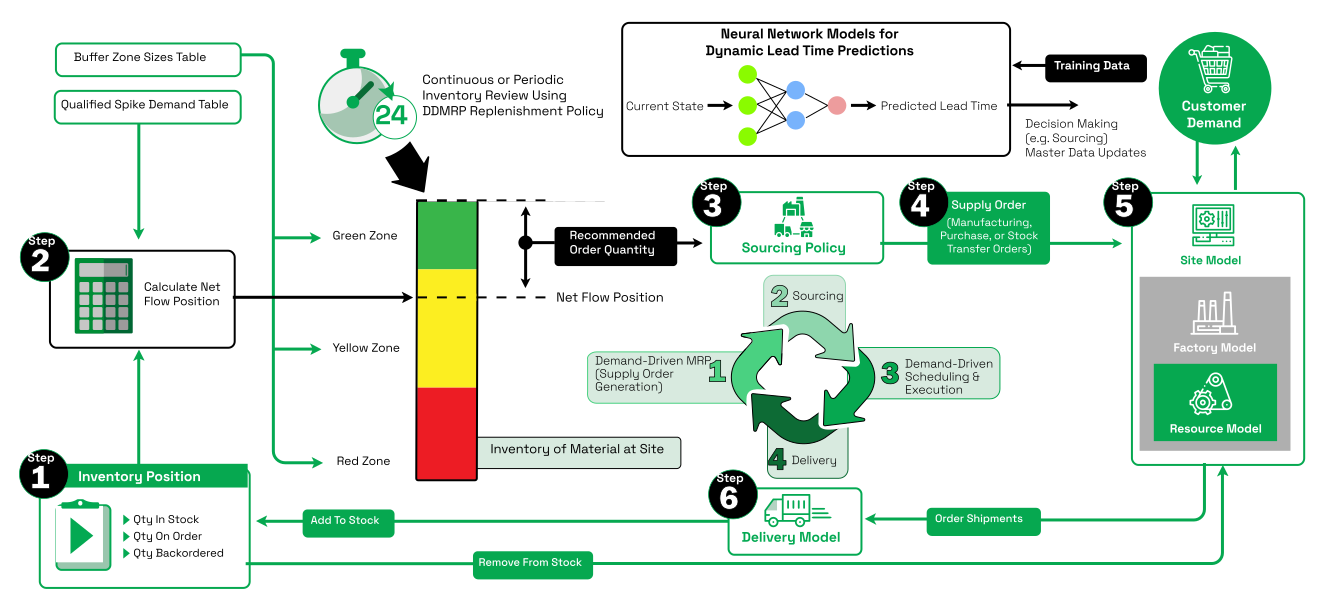
Step 1: Supply Order Generation

The digital twin simulation continuously monitors and updates inventory positions of each strategic buffer. It incorporates key DDMRP inputs such as Buffer Zone Sizes and Qualified Spike Demand calculations.

Various buffer sizing strategies can be tested within the simulation environment. This approach determines optimal DDMRP configurations before physical implementation.

Step 2: Inventory Review Simulation

The digital twin simulates continuous or periodic inventory reviews using DDMRP replenishment policies. At each review cycle, the model assesses Net Flow position against the Green Zone threshold.

This simulation determines optimal reorder timing and quantities under various demand scenarios. The digital twin enables testing of different review frequencies to optimize buffer performance.

Step 3: Sourcing Policy Optimization

Within the simulation environment, inventory sourcing policies determine supply order classification and routing. The digital twin distinguishes between manufacturing, purchase, and stock transfer orders based on configurable rules.

Alternative sourcing strategies can be tested to identify the most efficient approach for different operational conditions. This simulation capability optimizes the entire sourcing network.

Step 4: Dynamic Sourcing Decisions

The digital twin enables real-time sourcing decisions for supply orders at the moment an order generates. This simulation capability facilitates both demand-driven replenishment and dynamic sourcing strategies.

AI-based Neural Network approaches enhance sourcing decisions using dynamically predicted lead times. The simulation identifies optimal sourcing patterns that maximize service levels while minimizing costs.

Step 5: Fulfillment Process Simulation

Once a sourcing decision executes in the simulation, a supply order routes to the selected site. The digital twin captures detailed resource constraints and scheduling logic required for order fulfillment.

This simulation visualizes potential bottlenecks before they manifest in the physical system. Organizations can test alternative fulfillment strategies to optimize DDMRP execution.

Step 6: Delivery Simulation

When a simulated supply order completes production, the digital twin models the entire delivery process. Transportation modes, routes, and transit times simulate with configurable detail levels.

The model can range from simple delay time to complex descriptions of transportation networks. This simulation capability enables optimization of the entire logistics network supporting the DDMRP implementation.

The image below illustrates the steps of the DDMRP methodology applied to a Manufacturing Supply Chain simulation
The Intelligent Digital Twin Difference in DDMRP Implementation

The integration of Intelligent Digital Twin technology with Demand Driven Material Requirements Planning creates a transformative platform for supply chain excellence. Digital twin simulation provides unprecedented visibility into DDMRP operations before implementation.

Organizations can identify optimal buffer strategies, test various replenishment policies, and evaluate alternative supply chain configurations through detailed simulation. This approach dramatically reduces implementation risk while maximizing DDMRP benefits.

The digital twin becomes a continuous improvement tool for DDMRP implementations. As market conditions change and new challenges emerge, organizations can test adaptive strategies in the simulation environment.

This capability ensures DDMRP implementations remain optimized over time, delivering sustained operational excellence across the entire supply chain network.

Intelligent-Digital-Twin-Difference-in-DDMRP (1)

Supporting the Complete Demand Driven Methodology Through Digital Twin Simulation
AdaptiveSOPplusSimio
Adaptive S&OP with Digital Twin Simulation

Simio’s digital twin technology supports comprehensive DDMRP implementation within a full Demand Driven Operating Model. The simulation environment encompasses operational, tactical, and strategic time horizons for complete planning coverage.

Organizations can configure, plan, schedule, and simulate all aspects of the DDMRP methodology. The digital twin enables testing of alternative S&OP scenarios to identify optimal strategies for various market conditions.
DDAdaptiveEnterpriseplusSimio_02-03
Demand Driven Adaptive Enterprise Simulation

Simio’s Intelligent Adaptive Process Digital Twin technology unlocks the full potential of the Demand Driven Adaptive Enterprise model. The simulation platform enables end-to-end supply chain optimization through comprehensive digital twin capabilities.

Organizations can test what-if scenarios across the entire enterprise ecosystem. From material supply through manufacturing to final distribution, the digital twin identifies optimal configurations for maximum operational efficiency.
DDDistributionplusSimio_02-02
Demand Driven Distribution Simulation

Simio’s digital twin platform provides comprehensive support for Demand Driven Distribution Requirements Planning (DDDRP). The simulation focuses on distribution-centric applications within the broader DDMRP methodology.

Organizations can test alternative distribution strategies, buffer locations, and transportation policies through digital twin simulation. This capability optimizes the entire distribution network before physical implementation, ensuring maximum effectiveness of the DDMRP approach.

Simio DDMRP Digital Twin Insights: Visualize Before You Implement
Planning-Views-Mockup-3 Planning Views: Simulate DDMRP Buffer Strategies

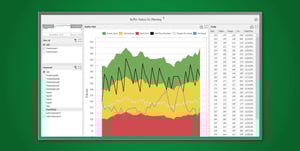
The Buffer Status for Planning dashboard displays simulated net flow positions (black line) and on-hand inventory (blue line) over time. The digital twin shows how buffer zones respond to demand patterns within the simulation.

Each time the net flow position drops into the yellow zone, the simulation automatically generates appropriate replenishment orders. This capability enables testing and optimization of DDMRP buffer strategies before physical implementation.
 
Execution-View-3 Execution Views: Visualize DDMRP Operational Dynamics

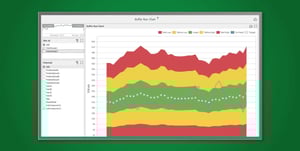
The Buffer Run Chart dashboard visualizes simulated on-hand inventory (blue line) against optimal ranges (green area). Yellow areas indicate warning thresholds, while red zones show either excess or critical shortage conditions.

The digital twin provides unprecedented visibility into potential DDMRP operational dynamics before implementation. Organizations can identify potential execution challenges and optimize buffer management strategies through simulation.
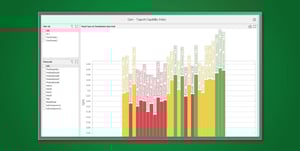
 
KPI-Performance-Views-3 KPI & Performance Views: Predict DDMRP Operational Excellence

The Taguchi Capability Index dashboard evaluates simulated performance of DDMRP implementations against target values and specification limits. Green zones represent top 20% performance, yellow indicates middle 40%, and red shows bottom 40%.

The digital twin simulation enables prediction of DDMRP operational performance before implementation. Organizations can identify potential performance issues and optimize buffer management through evidence-based simulation.
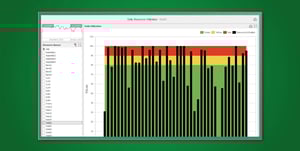
 
Resource-Utilization-Views-3 Resource Utilization Views: Optimize DDMRP Capacity Planning

The Resource Utilization dashboard displays simulated capacity utilization across resources over time. This visualization clearly indicates projected resource requirements under various DDMRP scenarios.

The digital twin reveals excess or insufficient capacity before implementation decisions finalize. Organizations can balance resource allocation with DDMRP buffer strategies to ensure synchronized flow through the entire supply chain.
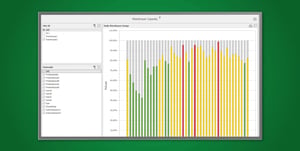
 
Warehouse-Capacity-Views-3 Warehouse Capacity Views: Predict DDMRP Space Requirements

The Warehouse Capacity dashboard visualizes simulated utilization of distribution centers and warehouses within the DDMRP network. The simulation highlights utilization thresholds above 80% (yellow) and 90% (red) for decision support.

The digital twin predicts space requirements resulting from various DDMRP buffer strategies before implementation. This capability ensures sufficient storage capacity for strategic inventory buffers across the supply network.
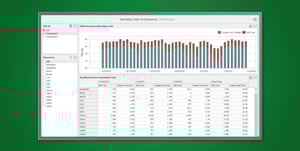
 
Costing-Views-3 Costing Views: Project DDMRP Financial Impacts

The Operating Costs dashboard displays simulated daily operating costs under various DDMRP configurations. The digital twin includes both idle and usage costs by resource category for comprehensive financial analysis.

This simulation capability projects financial impacts of different DDMRP strategies before implementation. Organizations can balance inventory investment with operational costs to maximize DDMRP return on investment through evidence-based decision making.
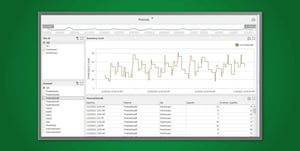
 
Material-Flow-Views-3 Material Flow Views: Visualize DDMRP Supply Chain Dynamics

The Materials dashboard displays simulated usage patterns for finished goods, components, and raw materials throughout the supply chain network. The visualization shows both incoming and outgoing quantities over time for each material category.

The digital twin enables comprehensive visualization of supply chain dynamics under various DDMRP configurations. Organizations can identify potential material flow issues before implementation and optimize buffer placement accordingly.
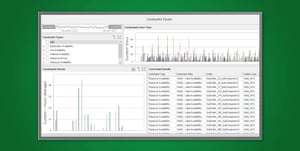
 
Constraint-Pareto-3 Constraint Pareto: Identify DDMRP Bottlenecks Before They Occur

The Constraints Pareto dashboard reveals simulated constraints affecting production and transportation within the DDMRP network. The digital twin categorizes constraints by type and impact for targeted improvement efforts.

This simulation capability enables identification of potential bottlenecks before they manifest in the physical system. Organizations can adjust DDMRP buffer strategies and resource allocation to address constraints proactively.
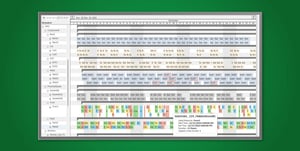
 
scheduling-views-3 Scheduling Views: Test DDMRP Production Scenarios

The Resource Plan Gantt visualizes simulated progression of manufacturing orders through system resources under various DDMRP configurations. The digital twin shows detailed scheduling at individual resource levels across the production network.

This simulation capability enables testing of production scenarios before DDMRP implementation. Organizations can optimize production scheduling in alignment with DDMRP buffer strategies for maximum operational efficiency.


The Simio Digital Twin Advantage: Simulate DDMRP Before You Implement

When implementing Demand Driven Material Requirements Planning, the ability to simulate and optimize before actual operation delivers transformative benefits. Digital twin simulation prevents costly implementation mistakes and eliminates risky experimentation on your actual factory or supply chain.

This approach ensures DDMRP success from day one through evidence-based configuration and optimization.

Simio’s Intelligent Adaptive Process Digital Twin technology provides comprehensive support for DDMRP what-if scenario testing. The simulation covers the complete lifecycle of demand-driven planning from strategic buffer placement to tactical execution.

This capability ensures your DDMRP implementation remains agile and effective even in the most challenging supply chain environments.
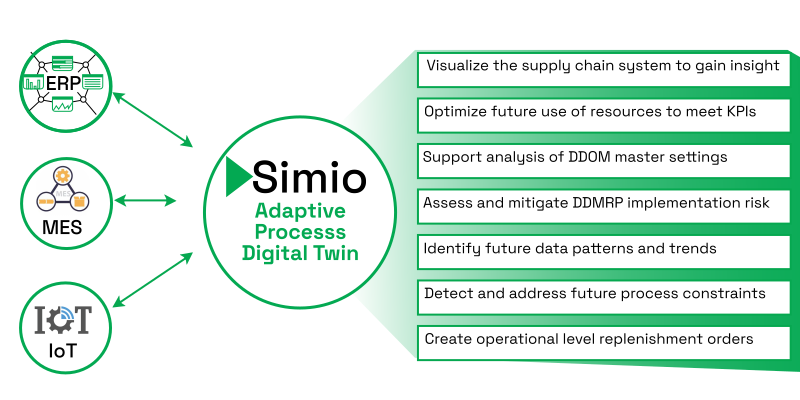
9-DDMRP-Value_update
Visualize complete DDMRP supply chain system dynamics
Connect with MES & IoT for real-time digital twin updates
Visualize complete DDMRP supply chain system dynamics
Assess DDMRP implementation risk through intelligent digital twin
Detect & address process constraints before DDMRP implementation
Integrate with ERP systems for data-driven DDMRP simulation
Optimize future resource utilization through DDMRP simulation
Support analysis of DDOM settings through digital twin simulation
Identify future data patterns & trends through DDMRP simulation
Create operational replenishment orders based on digital twin simulation

Frequently Asked Questions About DDMRP and Digital Twin Simulation

What is the role of digital twin simulation in DDMRP implementation?

Digital twin simulation creates a virtual replica of your supply chain for testing DDMRP buffer strategies before implementation. This approach significantly reduces implementation risk while maximizing benefits.

Research indicates organizations using digital twins for DDMRP simulation have experienced up to 30% improvement in operational efficiency. The simulation identifies optimal buffer placements and sizes across complex supply networks.

How does Simio’s digital twin technology enhance DDMRP effectiveness?

Simio’s Intelligent Adaptive Process Digital Twin technology enhances DDMRP effectiveness through comprehensive what-if scenario testing. The simulation enables optimization of buffer strategies and replenishment policies using data-driven analysis.

According to Deloitte research, digital twin-powered DDMRP implementations achieve ROI up to 40% faster than traditional approaches. The simulation capability ensures maximum effectiveness from initial implementation through ongoing optimization.

Can digital twin simulation help optimize DDMRP buffer placements?

Digital twin simulation excels at optimizing DDMRP buffer placements across complex supply networks. The simulation tests various strategic buffer scenarios to maximize flow while minimizing inventory investment.

IBM’s research on digital twin asset management indicates organizations using simulation for DDMRP buffer optimization typically reduce inventory costs by 15-20%. This cost reduction occurs while maintaining or improving service levels through more strategic buffer placement.

How do digital twins support what-if scenario testing for DDMRP?

Digital twins create a virtual environment for evaluating different DDMRP configurations without disrupting actual operations. The simulation models various demand patterns, supply disruptions, and operational constraints within a comprehensive digital replica.

This capability enables evidence-based decision making that significantly reduces DDMRP implementation risk. Organizations can test multiple scenarios and select the configuration that delivers optimal performance under various market conditions.

What specific DDMRP metrics can be simulated in a digital twin?

A comprehensive digital twin simulates all critical DDMRP metrics for complete implementation planning. These include buffer status (green, yellow, red zones), net flow position, projected on-hand inventory, and ADU calculations.

The simulation also projects decoupled lead time, variability factors, and key performance indicators. These include service levels, inventory turns, and operational costs under different DDMRP configurations. The digital twin provides a complete view of expected DDMRP performance before implementation.

How does Simio’s digital twin integrate with existing ERP and MES systems?

Simio’s digital twin technology integrates with existing ERP and MES systems through standardized APIs and data connectors. This integration incorporates real-world data for accurate DDMRP simulation while enabling implementation of optimized parameters.

The bidirectional data flow creates a continuous improvement loop that maximizes DDMRP effectiveness over time. As operational conditions change, the digital twin automatically updates to maintain simulation accuracy for ongoing optimization.

What implementation timeframe should organizations expect for a DDMRP digital twin?

DDMRP digital twin implementation typically ranges from 8-12 weeks depending on supply chain complexity and data availability. Simio’s predefined DDMRP components and supply chain modeling library accelerate development significantly.

Organizations can expect initial simulation insights within 4-6 weeks of project initiation. This rapid implementation timeline enables faster DDMRP adoption and quicker realization of operational benefits compared to traditional approaches.

How can organizations measure ROI from DDMRP digital twin implementation?

ROI from DDMRP digital twin implementation manifests through several key metrics that demonstrate tangible business value. These include reduction in implementation time and cost, improvement in inventory optimization, and enhancement in service levels.

Research published on ScienceDirect indicates organizations using digital twins for DDMRP typically achieve 20-30% faster time-to-value. Additional benefits include reduced supply chain disruptions and more efficient resource utilization across the network.

What ongoing maintenance does a DDMRP digital twin require?

A DDMRP digital twin requires regular updates to reflect changes in the physical supply chain environment. These include periodic recalibration based on actual performance data and refinement of simulation parameters as market conditions evolve.

Simio’s platform includes tools for automated data synchronization and model maintenance that minimize required resources. These automation capabilities ensure the digital twin remains current and accurate with minimal manual intervention.

How does AI enhance digital twin simulation for DDMRP?

AI significantly enhances digital twin simulation for DDMRP through multiple advanced capabilities. These include optimized sourcing decisions, optimized resource selection in complex environments, and optimized buffer sizing algorithms.

Simio’s integration of machine learning with digital twin simulation creates an intelligent system that continuously adapts to changing conditions. This AI-enhanced approach maximizes DDMRP effectiveness through predictive analytics and automated optimization of sourcing and resource selection strategies.

Learn More About DDMRP

ddi-logo-e1721470881117
Demand Driven Institute (DDI)

Ptak and Smith then founded the Demand Driven Institute (DDI) as the governing body to advance and proliferate Demand Driven strategies and practices in the global industrial community by providing training, software & professional certifications.

ddmrp-book
The DDMRP Book

The concept of Demand Driven Material Requirements Planning was introduced by Carol Ptak and Chad Smith in their first book: “Demand Driven Material Requirements Planning (DDMRP).” Visit the DDI website to see their library of Demand Driven publications.
ddi-compliant-logo-e1721470954766
DDI Compliant Software

Simio has been certified by the Demand Driven Institute (DDI) for all three levels of software compliance to be used for Demand Driven Material Requirements Planning (DDMRP), Demand Driven Operating Model (DDOM) and Demand Driven Sales & Operations Planning (DDS&OP).