

Summary
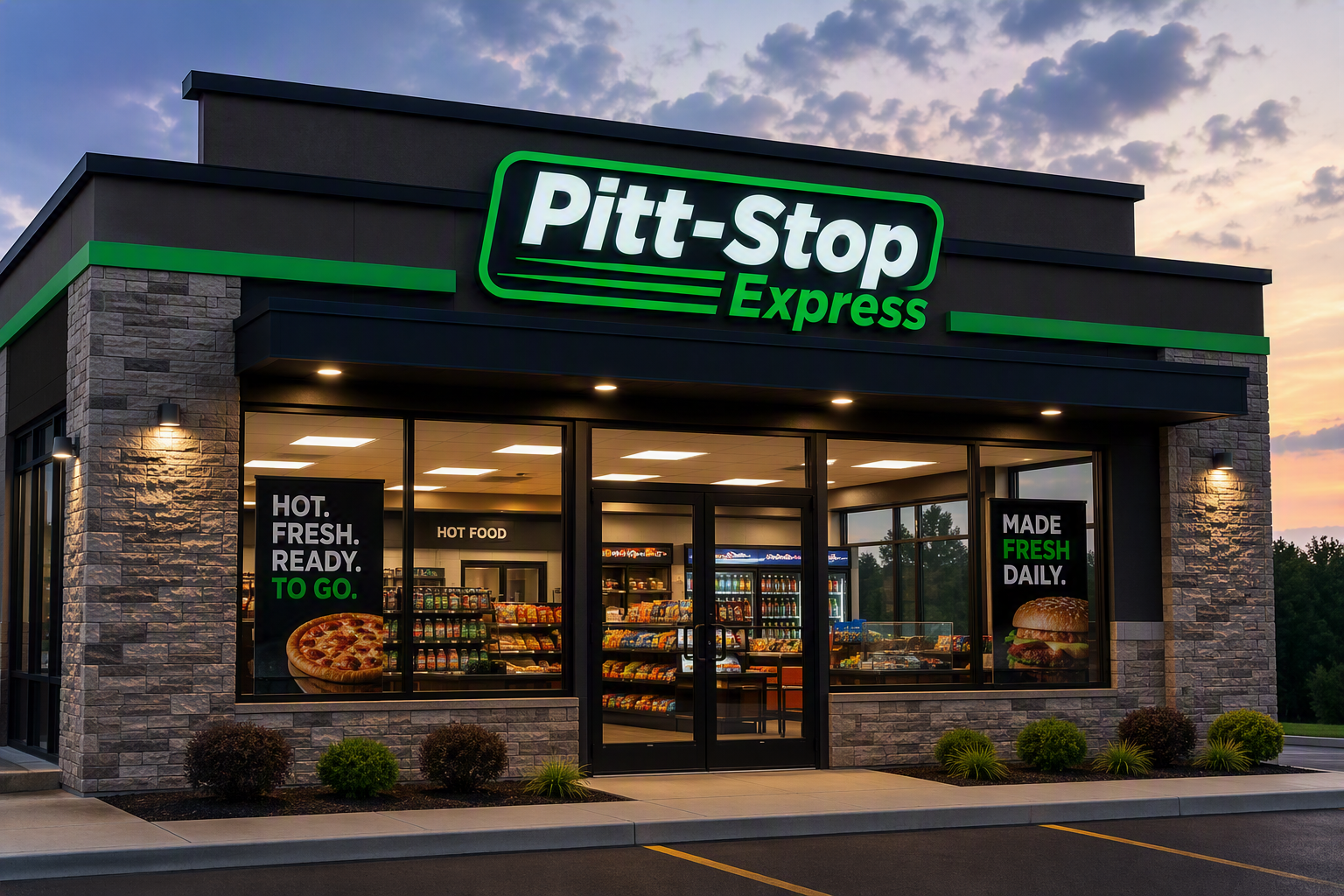
Pitt-Stop Express is a growing convenience store chain that combines traditional fuel and retail offerings with a ready-to-go hot food program. Store employees prepare products such as Pepperoni Rolls, Pittsburgers, Mexidogs, and Pierogies throughout the day using specialized ovens and warming stations. Each oven contains three tray slots, and food items have unique baking times, tray capacities, and shelf-life constraints, creating a challenging balance between keeping products available for customers and minimizing waste from expired inventory.
The primary challenge of this case study is to develop a simulation model that evaluates the interaction between customer demand, food preparation resources, and inventory replenishment strategies. Students must determine the appropriate number of workers and ovens required, evaluate alternative task allocation approaches, and design replenishment policies that keep warmers stocked while minimizing spoilage and customer dissatisfaction. The model must account for customer waiting behavior, product shelf lives ranging from 20 to 25 minutes, and baking times ranging from 4 to 10 minutes.
Using customer arrival and product demand data collected from multiple store locations, participants will analyze system performance and identify meaningful key performance indicators to support management decision-making. The simulation will be used to evaluate tradeoffs between customer service levels, resource utilization, and food waste while supporting future store expansion. This case study demonstrates how simulation can be applied to resource planning, inventory replenishment, and customer service challenges in a fast-paced retail food environment where production decisions must continuously adapt to customer demand.