

Cómo se utiliza Python con los gemelos digitales
Python transforma los gemelos digitales de modelos pasivos en réplicas inteligentes y conectadas de sistemas físicos. Al acortar la distancia entre la simulación y las operaciones en el mundo real, Python permite a los gemelos digitales ofrecer predicciones más precisas y conocimientos prácticos.
Aplicaciones clave de los gemelos digitales:

Los scripts de Python transforman los datos operativos brutos en formatos estructurados listos para la simulación con una latencia mínima. Esta capacidad garantiza que los gemelos digitales permanezcan sincronizados con las operaciones físicas mediante flujos de datos continuos procedentes de sensores, controladores y sistemas empresariales.
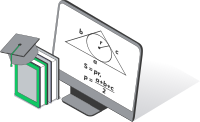
La lógica del sistema de control real utilizado en operaciones físicas puede incorporarse directamente a los gemelos digitales mediante la integración de Python. Este enfoque elimina la necesidad de recrear algoritmos de decisión, garantizando que el gemelo digital se comporte de forma idéntica al sistema del mundo real a la hora de evaluar las decisiones de control.
Los modelos de aprendizaje automático creados en Python mejoran notablemente la capacidad de un gemelo digital para predecir el comportamiento del sistema en distintas condiciones. Estos modelos aprenden de los datos operativos históricos y perfeccionan continuamente sus predicciones a medida que se dispone de nueva información, lo que hace que los gemelos digitales sean cada vez más precisos con el paso del tiempo.

Python es el conector ideal entre los gemelos digitales y los sistemas empresariales, como ERP, MES, plataformas IoT y otras tecnologías operativas. Esta integración perfecta permite el flujo de datos bidireccional, lo que permite a los gemelos digitales consumir datos operativos y proporcionar orientación para la toma de decisiones a los sistemas empresariales.
La codificación en Python transforma el análisis manual de hipótesis en una evaluación automatizada e inteligente de escenarios para agilizar la toma de decisiones. Los sofisticados scripts de Python pueden generar cientos de escenarios potenciales, filtrar las opciones más prometedoras y clasificar las alternativas en función de múltiples objetivos empresariales sin intervención humana.
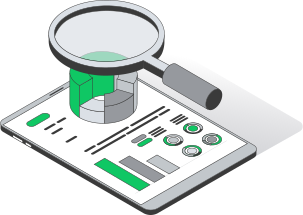
Los cuadros de mando personalizados y los informes interactivos creados con las bibliotecas de visualización de Python permiten a los responsables de la toma de decisiones acceder de inmediato a información compleja sobre gemelos digitales. Estas herramientas de visualización transforman los datos de simulación en gráficos intuitivos que destacan patrones, tendencias y anomalías críticos para una toma de decisiones operativas más eficaz.
La integración del gemelo digital Python representa un cambio de paradigma en la forma en que las organizaciones aprovechan la simulación para la mejora operativa, pasando del análisis aislado al apoyo continuo y conectado a la toma de decisiones.
Tres poderosas formas en que Python mejora su gemelo digital
.webp?width=300&name=AdobeStock_733799921_WhyDES-scaled-e1724256805402%20(1).webp) Portal API de Simio con Python
Portal API de Simio con Python
Principales ventajas:
- Actualizaciones de Live Digital Twin:Sincronice automáticamente su simulación con flujos de datos del mundo real.
- Integración AI/ML: Conecte los gemelos digitales a los canales de aprendizaje automático para obtener información predictiva.
- Conectividad de sistemas empresariales: Intercambie datos con plataformas ERP, MES e IoT en tiempo real
- Escalabilidad elástica: Aproveche la infraestructura en la nube para escalar dinámicamente el procesamiento de gemelos digitales
- Análisis Y si... automatizado: Genere y evalúe múltiples escenarios en función de las condiciones actuales.
El Portal API de Simio permite el acceso programático a sus modelos, experimentos y resultados de gemelos digitales a través de interfaces Python intuitivas. Esta integración crea un vínculo bidireccional entre su entorno de simulación y los sistemas físicos, abriendo nuevas posibilidades para las aplicaciones de gemelos digitales en tiempo real.
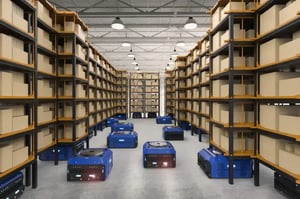 Integración inteligente de datos para gemelos digitales
Principales ventajas:
- Procesamiento de datos IoT:Transforme automáticamente flujos de datos de sensores en formatos listos para la simulación.
- Validaciones avanzadas: Aplique sofisticados controles de calidad de datos para garantizar la precisión del gemelo digital
- Conectividad empresarial: Conecte su gemelo digital directamente a sistemas ERP complejos como SAP
- Sincronización en tiempo real: Mantenga una alineación perfecta entre los activos físicos y sus gemelos digitales
- Análisis de datos históricos: Aproveche los datos operativos pasados para mejorar las capacidades predictivas
Las potentes capacidades de manipulación de datos de Python se combinan con el marco de simulación de Simio para transformar la forma en que los gemelos digitales consumen y procesan los datos operativos. Esta integración elimina la brecha entre los sistemas físicos y sus homólogos digitales.
 Scripts Python integrados en modelos de gemelos digitales
Principales ventajas:
- Mayor realismo: implemente comportamientos complejos del mundo real que reflejen con precisión los sistemas físicos.
- Integración de controladores externos: Conéctese a controladores de sistemas reales utilizados en operaciones físicas
- Analítica avanzada: Incorpore algoritmos especializados para una predicción y optimización más precisas
- Toma de decisiones basada en IA: Incorpora redes neuronales entrenadas que aprenden de los patrones operativos.
- Bucles de retroalimentación físico-digitales: Cree sistemas de bucle cerrado en los que los conocimientos digitales influyan en las operaciones físicas.
A partir de la versión 19 de Simio, los usuarios pueden integrar scripts Python directamente en sus modelos de gemelos digitales. Esta capacidad revolucionaria permite a los gemelos digitales incorporar algoritmos especializados, fuentes de datos externas y componentes de IA para una representación más precisa del sistema.
Simulación de eventos discretos en Python: Un nuevo paradigma
La integración de Python mejora fundamentalmente el funcionamiento de la simulación de eventos discretos en Simio, permitiendo una lógica de modelo más sofisticada, conectividad con sistemas externos y toma de decisiones inteligente. Python permite implementar una lógica sofisticada, específica para cada entidad, que mejora significativamente las capacidades de simulación de eventos discretos de Simio. La capacidad de Python para gestionar tareas computacionales complejas permite a los modeladores crear comportamientos y reglas de decisión más matizados para entidades individuales dentro de la simulación.
Las librerías estadísticas de Python proporcionan capacidades más matizadas de ajuste de distribuciones y análisis de resultados, lo que permite una representación más precisa de la variabilidad del sistema. Estas herramientas estadísticas avanzadas ayudan a los modeladores a comprender mejor los patrones de rendimiento y a identificar los impulsores clave del comportamiento del sistema de una forma que los enfoques de simulación tradicionales no pueden igualar. La integración aporta potentes capacidades matemáticas y analíticas directamente al entorno de simulación.
La integración de solucionadores externos representa otro avance significativo, ya que Python actúa como conector entre los modelos de eventos discretos y los motores de optimización especializados. Esta conectividad permite que las simulaciones aprovechen algoritmos creados específicamente para ámbitos problemáticos concretos, desde el encaminamiento de vehículos hasta la programación de la producción. Las capacidades de ajuste dinámico de los modelos permiten a las simulaciones adaptar su comportamiento en función de patrones emergentes y fuentes de datos externas, creando réplicas digitales más sensibles de los sistemas operativos.
Los modelos Simio mejorados con Python representan una evolución en las capacidades de simulación de eventos discretos. Este enfoque mejorado refleja mejor la complejidad de las operaciones modernas al ampliar el potente marco de modelado de Simio con la flexibilidad computacional y las capacidades de integración de Python.

.webp?width=300&name=Python-coding-language-sign-on-notebook-screen.-Device-programming-developing-concept.-Abstract-digital-wireframe-low-poly-mesh-vector-blue-neon-3d-illustration.-Triangle-line-dot-star-Converted%20(1).webp)
Transforme su forma de simular escenarios hipotéticos con su gemelo digital
La integración de Python transforma su gemelo digital Simio en una completa plataforma de simulación de escenarios hipotéticos que salva la distancia entre la simulación y la realidad. Las réplicas digitales inteligentes basadas en Python no se limitan a modelar sistemas, sino que los comprenden gracias a una IA integrada que aprende continuamente de los datos operativos y se adapta a las condiciones cambiantes. Estos gemelos digitales mejorados combinan la simulación con el aprendizaje automático para ofrecer funciones de mantenimiento predictivo capaces de anticiparse a los fallos de los equipos antes de que se produzcan, lo que ayuda a las organizaciones a pasar de estrategias de mantenimiento reactivas a proactivas que minimizan las interrupciones y optimizan la asignación de recursos.
La conectividad bidireccional de los sistemas habilitada a través de Python permite a los gemelos digitales recibir datos de los sistemas físicos y enviar instrucciones a los mismos, creando un bucle de retroalimentación continua entre los entornos virtuales y físicos. Esta comunicación bidireccional permite a los gemelos digitales no sólo reflejar los estados operativos actuales, sino también influir en las operaciones físicas mediante acciones recomendadas o, en algunos casos, controles directos del sistema. Los modelos de autooptimización aprovechan este flujo bidireccional para mejorar continuamente su precisión basándose en la retroalimentación operativa, refinando automáticamente los parámetros, la lógica y las predicciones a medida que comparan los resultados simulados con el rendimiento real del sistema.
Las interfaces de lenguaje natural basadas en Python y los grandes modelos de lenguaje representan la siguiente frontera en la accesibilidad de los gemelos digitales, ya que permiten a los usuarios empresariales sin conocimientos técnicos interactuar con simulaciones complejas a través de la IA conversacional. Estas interfaces transforman la forma en que las organizaciones aprovechan los gemelos digitales al democratizar el acceso a los conocimientos de simulación y permitir una participación más amplia en la toma de decisiones operativas en toda la organización. Esta capacidad ayuda a salvar la brecha entre los resultados técnicos de la simulación y los procesos de toma de decisiones centrados en el negocio, garantizando que los conocimientos valiosos se traduzcan en acciones significativas.
¿Quién utiliza Simio Python Integration?
La integración de Python con Simio crea un entorno potente y flexible para desarrollar gemelos digitales inteligentes que predicen con precisión el comportamiento de los sistemas. Este enfoque integrado permite a los usuarios incorporar algoritmos avanzados, modelos de aprendizaje automático y funciones de procesamiento de datos en tiempo real a sus flujos de trabajo de simulación. Desde científicos de datos e ingenieros de simulación hasta analistas empresariales y líderes operativos, los profesionales de todos los ámbitos funcionales pueden aprovechar los gemelos digitales mejorados con Python para resolver retos cada vez más sofisticados.
Las organizaciones que se enfrentan a requisitos de integración complejos, necesidades computacionales especializadas o que buscan salvar la distancia entre la simulación y los sistemas empresariales encuentran especialmente valiosa la integración de Python. Esta capacidad trasciende los límites de la industria, beneficiando por igual a los sectores de fabricación, sanidad, logística y servicios. Las empresas en cualquier etapa de madurez digital pueden aprovechar la integración de Python para mejorar sus capacidades de simulación y tomar decisiones operativas más informadas.
.webp?width=300&name=Banking-Industry-Image%20(1).webp) Banca
Banca
.webp?width=300&name=AdobeStock_585734505-scaled%20(1).webp) Química
Química
.webp?width=300&name=Construction-Industry-Image%20(1).webp) Construcción
Construcción
.webp?width=300&name=Consumer-Packaged-Goods-Industry-Image%20(1).webp) Bienes de consumo envasados
Bienes de consumo envasados
 Servicios al consumidor
 Defensa
 Energía
 Alimentación y bebidas
 Académico
 Agricultura
 Aeroespacial
 Aeropuertos y líneas aéreas
 Automoción
 Producción y fabricación de metales
 Minería
 Petróleo y gas
 Productos farmacéuticos
 Transporte ferroviario
 Restaurantes
 Venta al por menor
 Semiconductor
 Equipamiento sanitario
 Centros sanitarios
 Maquinaria pesada
 Automatización industrial
 Puertos marítimos y buques